There is something about standing outside on November 11 that puts our everyday complaints into perspective.
It might be cold. It might be snowing. We shift our feet, tuck our hands deeper into our pockets and wonder whether we should have worn another layer. Then we look toward the cenotaph and remember why we are there.
We can manage a little discomfort.
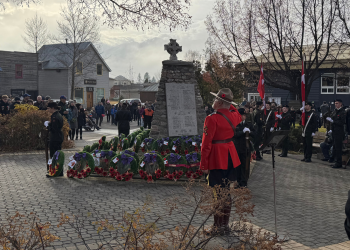
Each year, people in Golden make their way downtown for Remembrance Day. Veterans, Legion members, cadets, families, neighbours. Some carry wreaths. Others bring children who may not yet understand why everyone has gathered, but who will remember being brought.
I think that matters. Understanding often comes later. First, someone takes you by the hand and shows you that this is something we make time for.
My grandfather, Norman Anderson, served in the Canadian Army during the Second World War. When I think about his service, I’m reminded that the people we honour belonged to families much like our own. They were someone’s child, sibling, sweetheart or parent. They had work to do, plans to make and people waiting for them.
We know how their stories unfolded. They had to live through them without knowing.
For those who never returned, there was no chance to grow older, raise a family or discover what life might hold. For those who did come home, the effects of service did not necessarily end when they took off their uniforms. Their families carried those experiences too.
A ceremony cannot adequately repay any of that. Still, showing up feels like something we can offer.
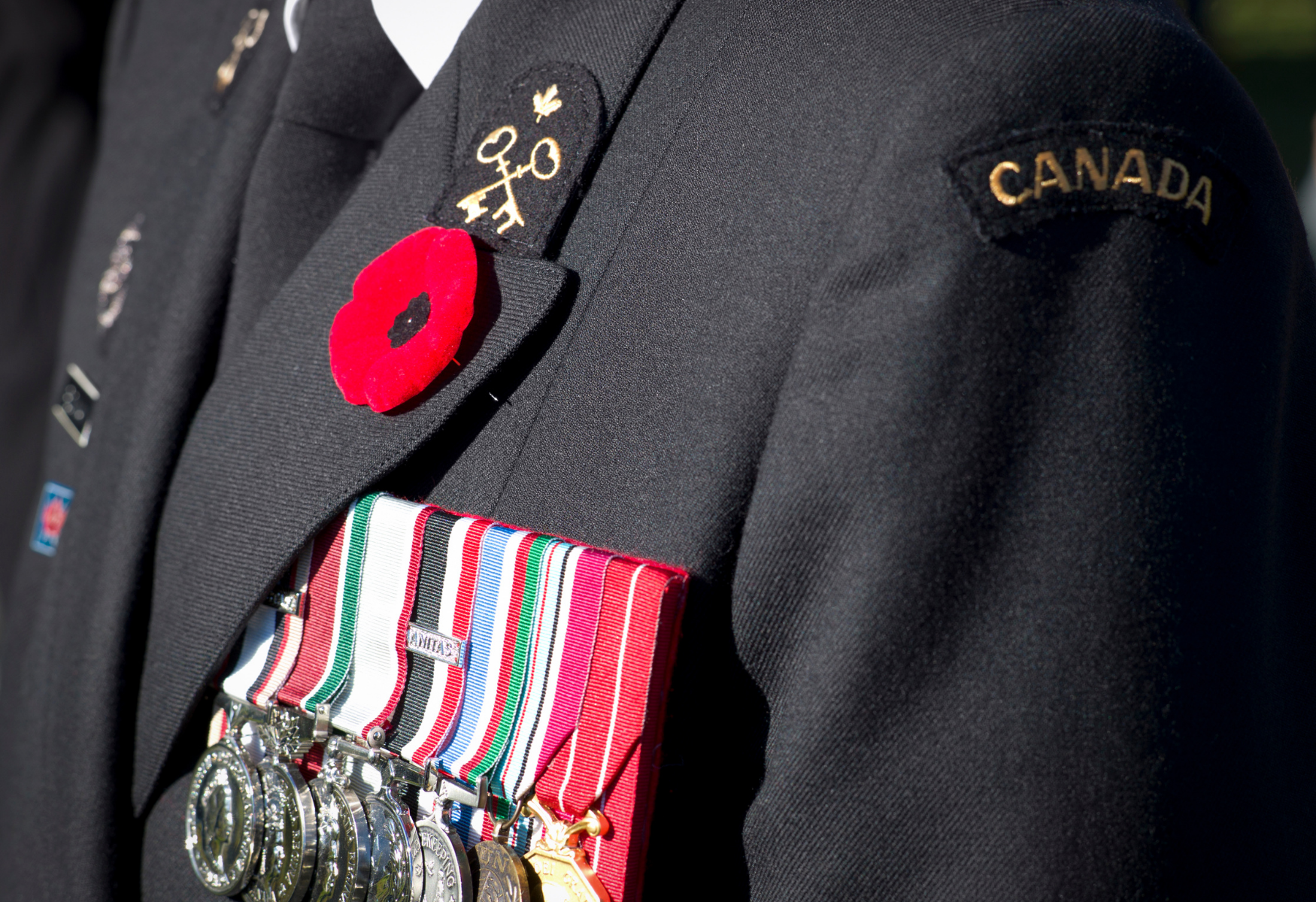
I appreciate the familiar order of Remembrance Day. The poppies, the wreaths, the Last Post and the two minutes of silence. In a world where so much competes for our attention, there is value in knowing exactly what is being asked of us: come together, be still and remember.
Those two minutes can feel surprisingly long. We are accustomed to filling every spare moment, checking a phone or turning our attention to the next task. Standing quietly gives us time to follow a thought further. To picture a face. To consider a name carved in stone and the life behind it.
As the years pass, fewer people can share firsthand memories of the world wars. The responsibility for remembering increasingly belongs to those of us who learned about them from someone else. We carry it forward by telling those stories, answering children’s questions and continuing to gather.
This November 11, I hope we make the time.
Put on the warmer coat. Bring the children. Stand beside your neighbours.
For a little while, let the rest of the day wait.