• Login
  • Work With Us
  • Contact
  • Login
  • Work With Us
  • Contact
SUBSCRIBE
Facebook Instagram
  • News
  • Local
    • Arts & Culture
    • Business
    • Community
    • Food
    • Opinion
    • Sports
    • Travel
  • Travel
  • Obituaries
  • E-Editions
  • Calendar
  • News
  • Local
    • Arts & Culture
    • Business
    • Community
    • Food
    • Opinion
    • Sports
    • Travel
  • Travel
  • Obituaries
  • E-Editions
  • Calendar
  • News
  • Local
    • Arts & Culture
    • Business
    • Community
    • Food
    • Opinion
    • Sports
    • Travel
  • Travel
  • Obituaries
  • E-Editions
  • Calendar
Search

First Nations women overrepresented among B.C. toxic drug deaths: doctor

The Canadian Press by The Canadian Press
January 31, 2023
in Canada & World, Home2, News
Dr. Nel Wieman with the First Nations Health Authority speaks about the illicit drug toxicity deaths in the province and about the effect on First Nation’s communities during a press conference at B.C. Legislature in Victoria, B.C., on Monday, February 24, 2020. THE CANADIAN PRESS/Chad Hipolito

Dr. Nel Wieman with the First Nations Health Authority speaks about the illicit drug toxicity deaths in the province and about the effect on First Nation’s communities during a press conference at B.C. Legislature in Victoria, B.C., on Monday, February 24, 2020. THE CANADIAN PRESS/Chad Hipolito

Indigenous people, especially women, are dying from toxic drugs at disproportionately high rates in British Columbia as the overdose crisis continues “unabated,” nearly seven years after the province first declared a public health emergency, said the top doctor for the First Nations Health Authority.

Dr. Nel Wieman, the acting chief medical officer, said illicit drugs are killing First Nations people at five times the rate of B.C.’s general population.

That figure rose to 8.8 per cent for First Nations women, specifically, compared with non-Indigenous women in the province in the first half of 2022, she said.

She noted that number contrasts with the overall toll for the province, which shows 79 per cent of those who died from toxic drugs last year were male.

Wieman’s remarks came as B.C.’s chief coroner released data Tuesday showing suspected drug toxicity claimed 2,272 people last year.

B.C.’s exemption to federal drug laws also took effect Tuesday. The three-year pilot project allows adults to carry up to 2.5 grams of certain illicit substances without fear of being arrested or having their drugs confiscated by police.

The underlying reasons for the increased impact of the toxic drug crisis on Indigenous people in B.C. are “complex and varied,” Wieman said.

They include intergenerational trauma stemming from Canada’s residential school system and the apprehension of Indigenous children for placement in government care, along with a lack of access to culturally safe mental health and substance use supports, she said.

“There are also the impacts of ongoing events, including the discovery of the unmarked graves of children who attended residential schools, various climate change emergencies and the COVID-19 pandemic,” Wieman told a news conference where the annual statistics were released.

Substance use and mental health are closely linked, she said. People use substances to change how they feel, and the health authority’s response to the crisis involves helping people develop healthier coping mechanisms while expanding harm reduction and treatment options rooted in Indigenous values and culture.

“We recognize that seeking treatment alone, in the standard western format, may not meet the needs of all First Nations people,” Wieman said.

“Offering treatment that’s grounded in culture and ceremony addresses (that), addressing the underlying trauma will have a better longer-term outcome.”

Chief Don Tom, vice-president of the Union of B.C. Indian Chiefs, similarly said substance use among Indigenous people is often rooted in trauma from ongoing racism and centuries of colonialization.

“B.C. and Canada must act urgently to fund meaningful healing and supports, especially initiatives by Indigenous people for Indigenous people, and end discrimination in the health-care system,” Tom said in a statement.

Wieman said many people have died while using drugs alone, in private homes, where no one was around to call for help.

“Stories have been shared with us of women who used substances privately, because of the fear they have of losing their children or personal supports.”

The illicit drug supply is “unpredictable and so incredibly dangerous that people risk their lives by accessing it even once,” Wieman said.

Chief coroner Lisa Lapointe said Tuesday that a range of measures are urgently needed to address the crisis,including expanded access to safe prescription alternatives, drug-checking services, overdose prevention sites and a “continuum of care” involving treatment, recovery and medical and mental health support options.

— Brenna Owen, The Canadian Press

RELATED: Chief coroner prescribes ‘urgency’ as B.C. records 2,272 toxic drug deaths in 2022

Tags: Indigenousoverdose crisis
The Canadian Press

The Canadian Press

Related Posts

Scott McInnis, MLA Columbia River-Revelstoke
News

MLA Scott McInnis rejoins strong Conservative team

Columbia River-Revelstoke MLA Scott McInnis announced today that he has accepted an invitation to rejoin the BC Conservative Caucus, signifying...

September 22, 2026
News

MP, MLA call for urgent action following deadly MVAs

A recent series of fatal collisions on the Trans-Canada Highway has prompted both federal MP Mel Arnold and provincial MLA...

September 13, 2026
Next Post
Eastbound lane closed east of Revelstoke on Highway 1. (DriveBC)

Incident on Highway 1 east of Revelstoke may cause delays

Leave a Reply Cancel reply

Your email address will not be published. Required fields are marked *

Popular Posts

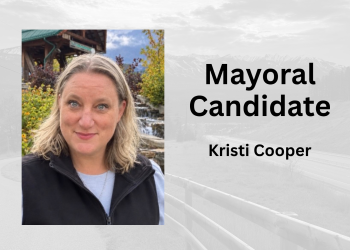
Updated: Meet Kristi Cooper, candidate for Mayor

October 7, 2026

Updated: Meet Wes Routley, candidate for Mayor

Turning Back the Pages: Golden came together to send cigarettes to soldiers

Updated: Meet Dustin Shanahan, candidate for Council

  • A little bit of everything in an October day in the mountains ๐Ÿ‚๐Ÿ”๏ธ
  • Power
  • Thank you to everyone who came out to celebrate, share stories, enjoy some good food and music, and mark this special piece of Goldenโ€™s history with us ๐Ÿ’›
  • Flashback Friday ๐Ÿ“ฐ Fall 2001!

Take a look back at these archival pages from the Golden Star and Golden News about the Kicking Horse Pedestrian Bridge.

Built in 2001 by volunteer timber framers and locals, this iconic bridge is Canadaโ€™s longest freestanding timber-frame structure and a true symbol of community connection.

Now, 25 years later, itโ€™s time to celebrate!

Join us at Spirit Square tomorrow evening (Saturday, Sept 26) to celebrate the 25th anniversary. See you there, Golden!
  • A pretty great way to celebrate 25 years! ๐ŸŽฌ๐Ÿฟ

The Princess Bride, popcorn, hot chocolate and a beautiful evening spent outside together. 

Thanks to the Golden & District Community for hosting such a fun night!
  • Itโ€™s officially Golden season ๐Ÿ‚๐Ÿ’›
  • News
  • Local
    • Arts & Culture
    • Business
    • Community
    • Food
    • Opinion
    • Sports
    • Travel
  • Travel
  • Obituaries
  • E-Editions
  • Calendar
  • News
  • Local
    • Arts & Culture
    • Business
    • Community
    • Food
    • Opinion
    • Sports
    • Travel
  • Travel
  • Obituaries
  • E-Editions
  • Calendar
SUBSCRIBE
  • Work With Us
  • Contact Us
  • Work With Us
  • Contact Us
Facebook Instagram

COPYRIGHT 2026 GOLDEN STAR

No Result
View All Result
  • Home
  • Landing Page
  • Support Forum
  • Buy JNews
  • Contact Us

ยฉ 2022 JNews - Premium WordPress news & magazine theme by Jegtheme.